Tuesday, December 13, 2011

Volunteers Needed for Global Dystonia Registry


The DMRF is proud to be a part of a two-year effort to develop and implement the first-ever patient registry devoted to focal dystonias. The registry is designed to collect data on persons affected with a focal dystonia(s) to assist in clinical research efforts including clinical and research trials.

This collaboration is between dystonia patient organizations and the research leaders of the Dystonia Coalition to develop and offer this self-reporting patient registry to the dystonia community. “The registry is a fantastic new opportunity for the dystonia community worldwide. It is going to be extremely valuable for fostering better communication between people who are affected by dystonia and researchers who are trying to learn more about dystonia,” said Dr. H. Jinnah, the principal investigator for the Dystonia Coalition. The goal of the registry is to support future dystonia studies through the collection of data on persons affected by dystonia.

Although the focal dystonias have many different manifestations, most experts believe they share a common pathogenesis or mechanism that causes the disorder. The common causes may be a similar gene defect, similar lifetime experiences, or both. Collecting information from different patient populations may help us identify the common features that they may share. This Registry compliments the current scope of research for the Dystonia Coalition, a National Institutes of Health supported clinical research effort.

To learn more or to register with the Global Dystonia Registry go to: http://www.globaldystoniaregistry.org/

Tuesday, November 22, 2011

Giving Thanks

During this season of thanks, I want to take this opportunity to thank all of you who have supported the DMRF and those we serve. Your efforts are deeply appreciated and allow us to carry out the organization’s mission. We could not do what we do without you.

We are grateful to our researchers and Medical & Scientific Advisors for the work they do to get us to that magic day when the DMRF is no longer needed because a cure has been found.

We are thankful to our clinicians who work so hard to help alleviate the pain and suffering dystonia brings everyone touched by this disorder.

We appreciate the tireless efforts of our support group leaders who work to meet the needs in their communities while providing a helpful hand to those managing every day with dystonia.

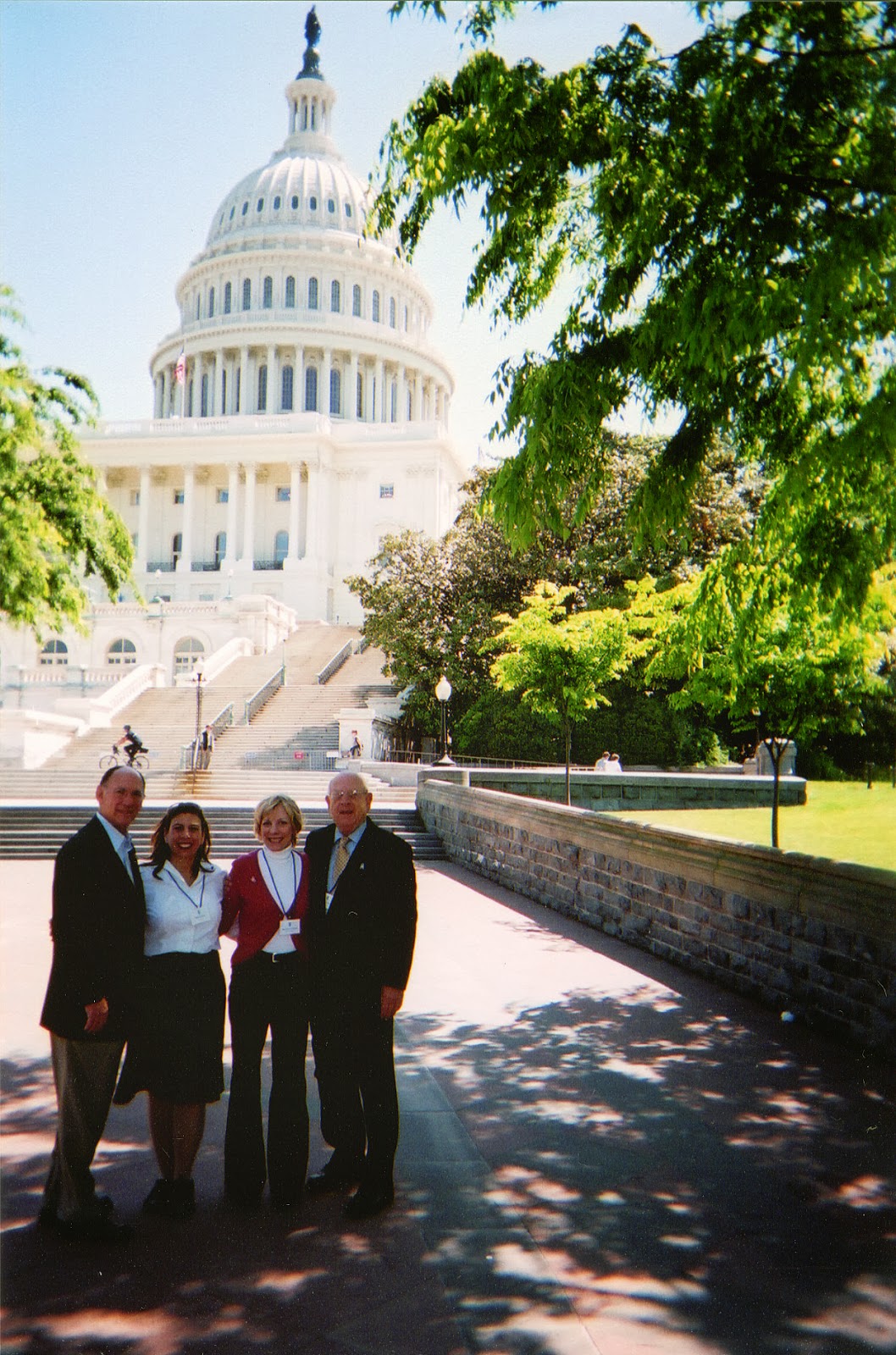
We want to thank the growing number of advocates who are working to have the legislative needs of this community addressed by our Federal and State Legislators.

We are grateful to those who have shared their dystonia story so that others can better understand what dystonia is and how it changes lives.

To anyone who has listened to someone having a rough day and offered encouragement or to those who were in a position to give a hug to let someone know they are not in this alone, we are thankful for your kindness and warmth.

We appreciate our donors who have placed their trust in the DMRF and who have allowed us to do the work we do. We value the pharma companies who work to produce therapies that, together with a treating physician, are bringing relief to many.

Finally, we appreciate our dystonia partners, the other Dystonia Advocacy Network Members – BEBRF, DySTonia, Inc., NSDA, and NSTA, Tyler’s Hope, our European partners – groups that the DMRF has worked with to advance our understanding of dystonia while working to meet the needs of those affected by dystonia.

This Thanksgiving we will be thinking about everyone who has worked to make a difference in the life of someone touched by dystonia. Thank you.

Monday, October 24, 2011

5th International Dystonia Symposium


The 5th International Dystonia Symposium came to an end in the early evening on Saturday, October 22nd. A theme throughout the three day meeting was overhearing someone say, “This is the best dystonia meeting I have ever attended.” Kudos to the Scientific and Program Committee members – Alberto Albanese, Mahlon DeLong, Wendy Galpern, Mark Hallett, Buz Jinnah, Ryuji Kaji, Christine Klein, Tony Lang, Jan Teller, Marie Vidailhet and Tom Warner – who worked so hard in putting together this fabulous program. 560 people attended the symposium and were able to experience the energy that can be felt in this field. The discussions and ideas generated during the meeting are exciting. DMRF members should be proud of the numerous researchers who cited the support of the DMRF for the work they presented. A summary of the meeting will be issued shortly but you all should know that this was a resounding success and everyone left really motivated to keep the progress continuing!

Thursday, October 13, 2011

School is in Session

The school year is well into full-swing across the country. Schedules fill quickly each week with homework assignments, after school clubs, and last-minute revelations from your child that he needs 50 homemade brownies and a made-to-scale diorama of Mount Rushmore for school the next day. Parents of children with dystonia have added challenges and decisions to make about how to ensure their students have the best year possible, let alone how to get through the week. It takes added vigilance to make sure a child with physical challenges is being served appropriately by the education system.

The DMRF is proud to partner with long-time member and special education expert Roberta Senzel, Esq. and offer a new blog entitled "Dystonia & Special Education" at http://dmrfspecialed.blogspot.com/ The purpose of the blog is to help parents of dystonia-affected children navigate the education system and have access to practical, essential information. Roberta is not only a special education attorney and university school law instructor, she is also the mother of a grown child with dystonia. Roberta knows what it is like when dystonia invades a family, and she also knows what it takes to help affected children succeed and thrive in school. Roberta is a frequent speaker at DMRF events—including the bi-annual Children & Family Symposium—and an active member of the Greater Washington, DC Dystonia Support Group.

Roberta will be blogging regularly on the federal education laws every parent should understand, tips for working with educators, transition after high school, and many other topics. You are welcome to submit questions and topics you would like to see Roberta address at dystoniaschool@dystonia-foundation.org

Many thanks to Roberta for sharing her insights and expertise, and for providing this excellent resource for the dystonia community. There are few greater gifts in this world than a talented, compassionate teacher and Roberta is just that!

Friday, September 23, 2011

Seek Credible Sources for Information on Movement Disorders


We all know you can’t always rely on information you find on the internet to be accurate, and this includes descriptions of dystonia and other movement disorders. To those of us who live with dystonia every day and who know the importance of promoting awareness, few things are more frustrating than a media story or online blog that disseminates incorrect information about this already frequently misunderstood disorder.

The DMRF applauds a recent letter to the editor in the New England Journal of Medicine that addresses this matter. Physicians are reporting that a growing number of individuals with movement disorders are coming to them with inaccurate portrayals of these disorders from the internet, especially from the video sharing website YouTube. These videos are causing many people undue concern by providing inaccurate depictions of movement disorders (including dystonia) and suggesting treatments and cures not backed by trustworthy sources.

The DMRF echoes the New England Journal of Medicine in reminding those of us with dystonia to seek out credible sources for medical information. We encourage you to verify the sources of information about treatment options and only rely on those backed by solid scientific study and endorsed by a qualified physician trained in movement disorders.

The DMRF will continue to take very seriously our efforts to provide our community with accurate, timely information about dystonia and the latest news in treatments and research—an effort we have undertaken for 35 years. The DMRF is privileged to work closely with the world’s top thought leaders in movement disorders to make sure the information we provide you is sound.

It’s unfortunate that there are people in the world who take advantage of a platform like YouTube, which can do so much good, and use it in a manner that is harmful. This does not in any way diminish the tireless work of our friends in the dystonia community who are promoting awareness—including through social media websites like YouTube and Facebook—and helping the un- and misdiagnosed access the information and resources they need. Now more than ever, we need to make sure individuals impacted with dystonia know where to go for good information.

Art Kessler
President

Monday, September 12, 2011

Dystonia Makes It Into the Smithsonian

One of the messages the DMRF tries to convey to our members is that your story matters. Your story is important. The courageous act of sharing what it’s like to live with dystonia—on whatever level you are comfortable—can inspire others and change lives.

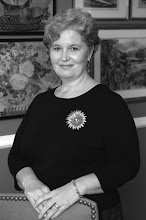
Because Esther Goodhart was generous enough to share her story, she has brought her experience with dystonia to an exhibit at the Smithsonian’s National Portrait Gallery. A gala on September 16, 2011 will celebrate the launch of the exhibit, entitled "Portraiture Now: Asian American Portraits of Encounter." A portrait of Esther joins scores of others in this special exploration of what it means to be Asian in America.

Many congratulations to Esther for this prestigious achievement! She reminds us all to take pride in who we are and where we come from. By examining those qualities we perceive as differences—in terms of gender, race, ethnicity, (dis)ability—we may ultimately realize more clearly how much we are in fact alike. When you share your story, you inspire others to give voice to their own. You help others understand an experience they do not know firsthand. And your story may suddenly become more powerful than you ever imagined it could be.

Monday, August 29, 2011

A Feeling of Community


Like you might expect, when I was finally diagnosed with dystonia after struggling with it for a number of years I rushed home and went online to learn more. I wanted to educate myself about the disorder that had taken so much away from me. I had hopes of finding some magic bullet that might make it go away and make me a "normal" person once again. What I found after just one click of the search engine was the DMRF! It instantly became clear to me that I wasn't alone in searching for a cure and that there were decades of outstanding efforts already invested by the DMRF and the families and individuals who founded and continue to serve the organization. My dystonia was a personal struggle that had been very lonely for me up until that point. That feeling of loneliness has been transformed into a feeling of community - a community driven to support each other while pushing forward through the seemingly impossible science needed to understand the miracle of the human brain.

Never would I have thought that neurology would become as big a part of my daily consciousness as it is today. Some people know of my son and his courageous battle with epilepsy. I can't go more than a few minutes in any day without feeling an immense urgency for the advancement of neuroscience. And never would I have thought while sitting at my computer during my first visit to the DMRF website that I would one day be nominated to the board of directors. It is profoundly humbling to be surrounded by people whose dedication and hard work have put the DMRF at the forefront of the quest for a cure. I'm honored to be joining the board as the DMRF leads important initiatives that will lead to a globalization of our community and the sharing of research currently going on all across the world. Joining the DMRF board of directors inspires me to raise my own expectations for how I can contribute towards finding a cure, how I can better support the raising of awareness of dystonia worldwide and most importantly how I can be an asset to any and all individuals who struggle with the challenges dystonia poses for their own sense of wholeness and self-worth. Together we make greater progress towards our future goal - a world without dystonia.

Billy McLaughlin
DMRF, ex-officio board member